acupuncture
1) What It Is
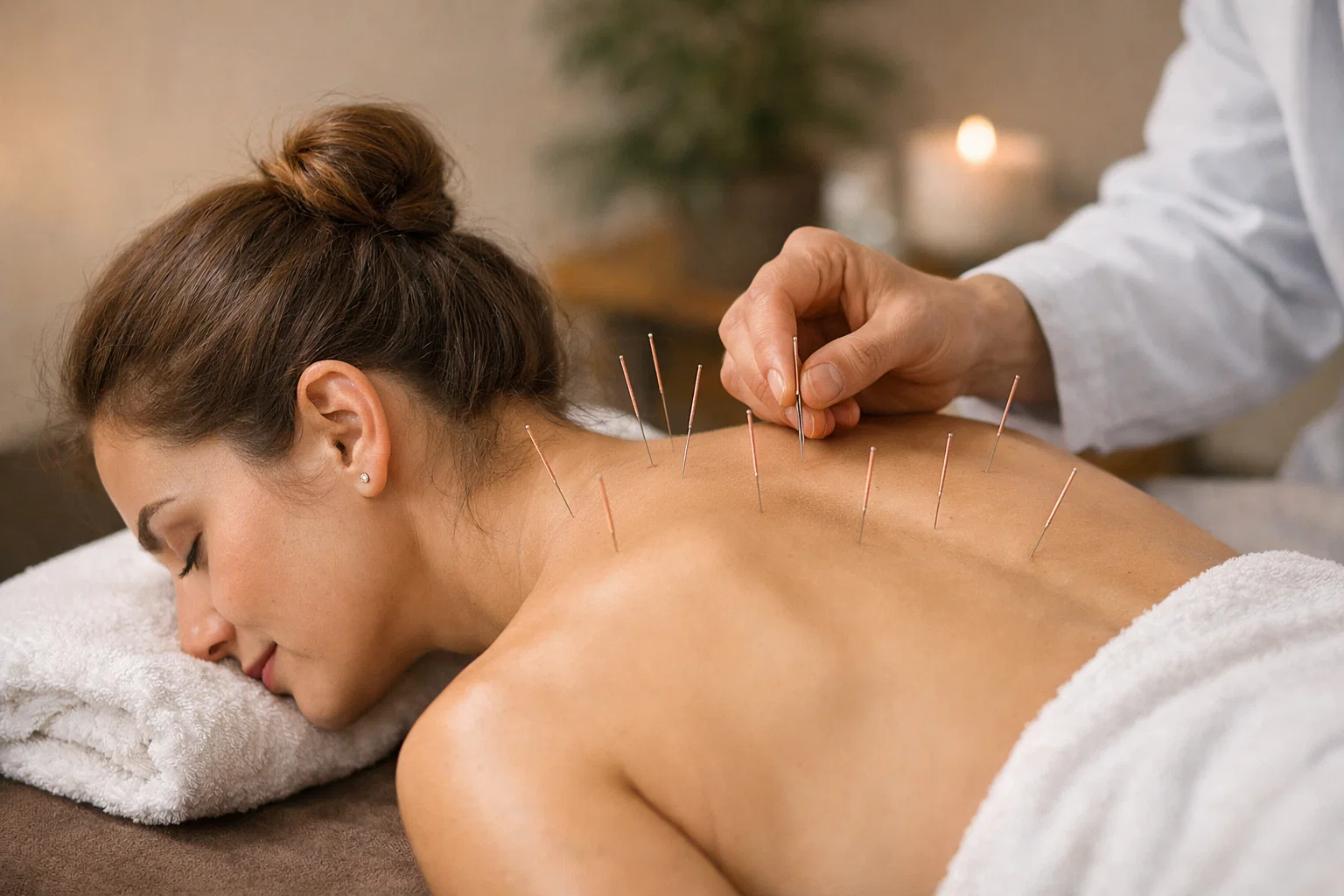
Acupuncture is a therapeutic technique originating from Traditional Chinese Medicine (TCM) in which very fine, sterile needles are inserted into specific points on the body to influence physiological function.
It has been practiced for over 2,000 years and is now integrated into many modern healthcare systems worldwide.
2) The Traditional Framework (TCM Model)
In TCM, acupuncture is based on three core concepts:
✔ Qi (Vital Energy)
Qi flows through channels called meridians.
✔ Meridians
There are 12 primary meridians linked to major organ systems.
✔ Balance of Yin & Yang
Disease is believed to arise from imbalance or blockage of Qi.
By stimulating specific acupuncture points, practitioners aim to restore energetic balance.
3) Modern Biomedical Perspective
From a scientific standpoint, acupuncture may work through:
- Stimulation of peripheral nerves
- Release of endorphins (natural painkillers)
- Modulation of inflammatory pathways
- Regulation of the autonomic nervous system
- Improved local blood circulation
Neuroimaging studies show measurable changes in brain activity after needle stimulation.
4) Evidence-Based Uses
Acupuncture is commonly used for:
✔ Pain Management
- Lower back pain
- Neck pain
- Osteoarthritis
- Migraines and tension headaches
✔ Neurological Conditions
- Peripheral neuropathy
- Post-stroke rehabilitation (adjunct therapy)
✔ Other Conditions
- Nausea (including chemotherapy-induced)
- Stress and anxiety
- Insomnia
- Menstrual pain
Clinical evidence is strongest for chronic pain conditions.
5) What a Session Looks Like
- Initial assessment (medical + TCM diagnosis)
- 5–20 needles inserted at selected points
- Needles remain for 15–30 minutes
- Sensations: mild tingling, warmth, heaviness (called De Qi)
Most patients report minimal discomfort.
6) Safety Profile
When performed by a licensed practitioner using sterile needles:
- Generally safe
- Minor bruising or soreness possible
- Serious complications are rare
Always choose a certified professional.
7) Types of Acupuncture
- Traditional Chinese acupuncture
- Electroacupuncture (mild electrical stimulation)
- Auricular (ear) acupuncture
- Dry needling (Western medical approach for muscle trigger points)
8) Strategic Comparison: TCM vs Western Approach
| TCM Acupuncture | Medical Acupuncture |
|---|---|
| Energy-based model | Neurophysiological model |
| Meridian theory | Trigger points & nerve pathways |
| Holistic diagnosis | Symptom-focused treatment |
Both approaches can coexist in clinical practice.
📌 Professional Summary
Acupuncture is a structured therapeutic modality with both ancient theoretical roots and growing modern scientific validation. Its strongest evidence supports chronic pain management, while other applications show varying levels of support.
If you’d like, I can next explain:
- How acupuncture compares to physiotherapy
- How it’s used in sports medicine
- Or how to evaluate practitioner qualifications professionally