Sensational Jerusalem Artichoke Benefits: A Gut-Health Superfood
We’ve all been there, the sluggish afternoons, the uncomfortable bloating after a meal, and that nagging feeling that our digestive system is just… off. For years, you might have searched for that “magic” ingredient, trying every trendy supplement on the pharmacy shelf. Then, you discover the Jerusalem artichoke.
It’s not just a root vegetable; it’s a quiet hero hiding in the produce aisle. Embracing this knobby little tuber feels like finally finding the missing piece of your personal wellness puzzle. If you’ve been looking for a natural way to feel lighter, more energized, and truly nourished from the inside out, you’re in the right place.
By the time you finish reading this guide, you’ll understand why the Jerusalem artichoke is the ultimate prebiotic powerhouse and how you can integrate it into your life without the common “gassy” pitfalls.
Table of Contents
1. What Exactly is a Jerusalem Artichoke?
Despite what the name suggests, this plant is neither from Jerusalem nor is it technically an artichoke. If you’ve ever seen a “Sunchoke” at a farmer’s market, you’ve seen a Jerusalem artichoke.
The Botanical Identity
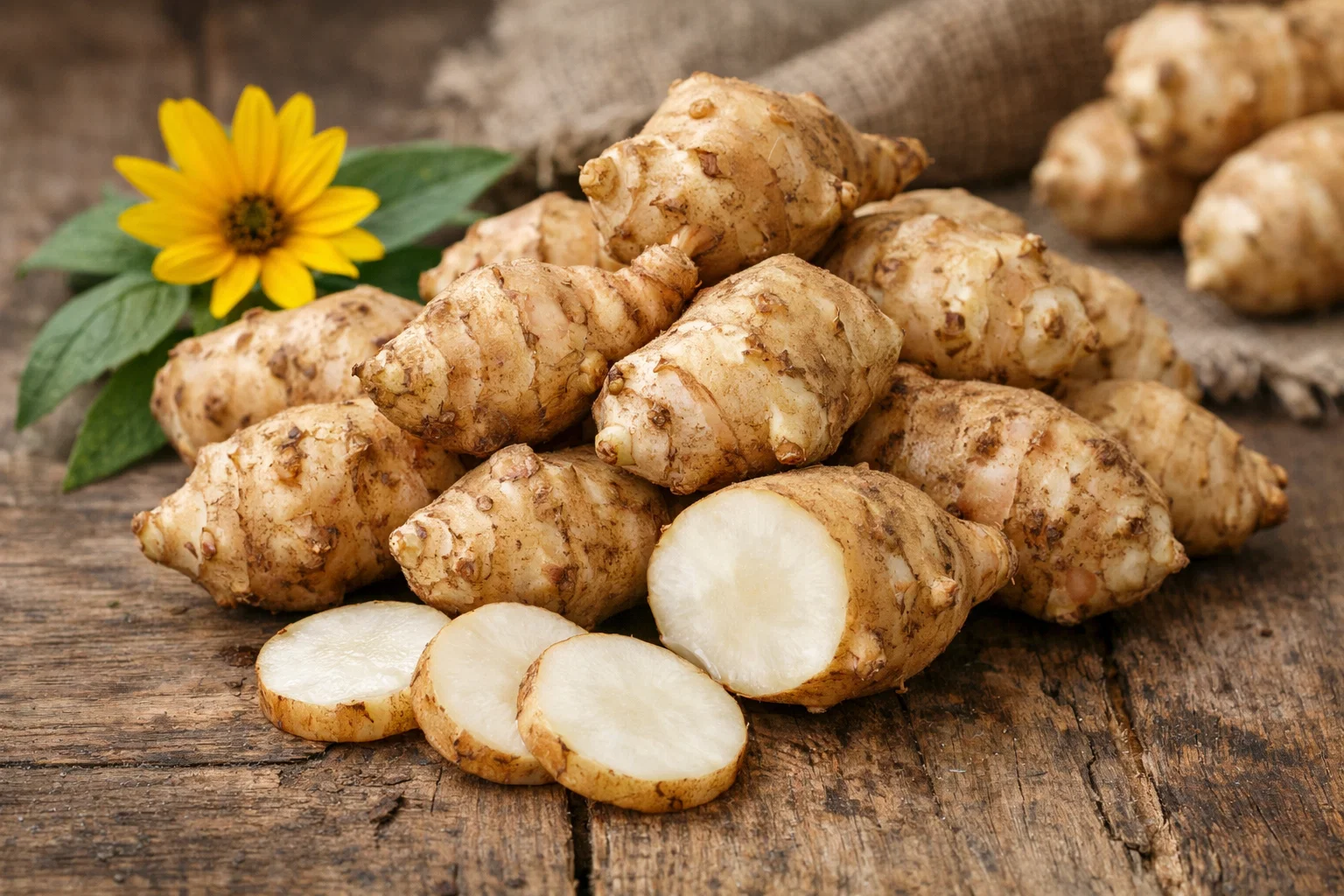
The Jerusalem artichoke (Helianthus tuberosus) is actually a species of sunflower native to North America. While its yellow flowers look beautiful in a field, the real treasure lies beneath the soil. The edible part is the tuber, a knobby, ginger-like root that has been a staple for indigenous populations for centuries.

A Unique Flavor Profile
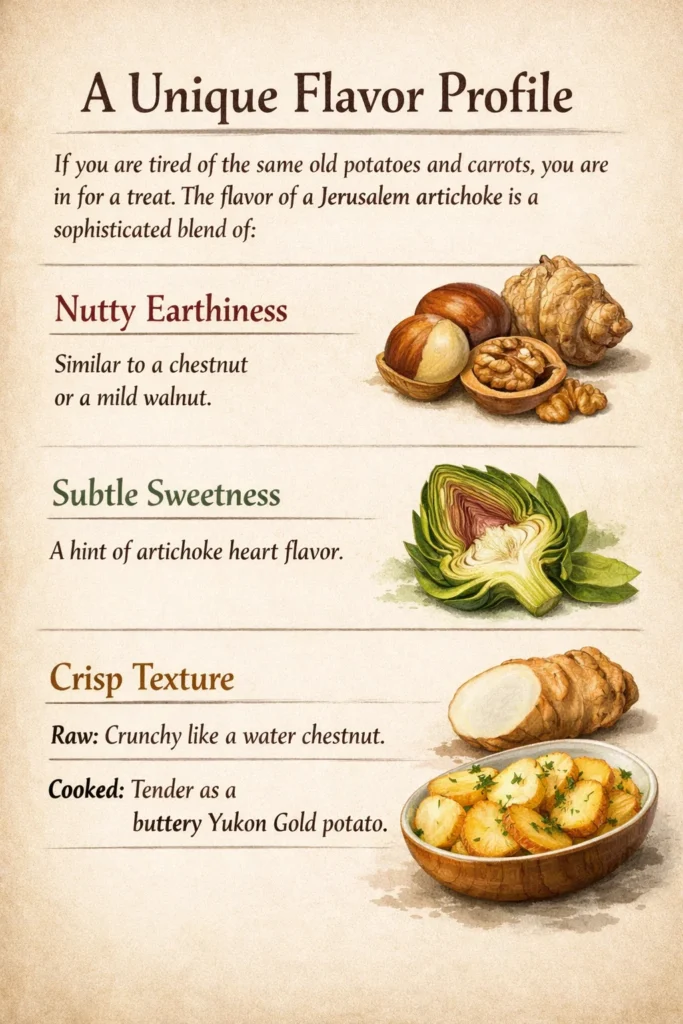
If you are tired of the same old potatoes and carrots, you are in for a treat. The flavor of a Jerusalem artichoke is a sophisticated blend of:
- Nutty Earthiness: Similar to a chestnut or a mild walnut.
- Subtle Sweetness: It carries a hint of artichoke heart flavor (hence the name).
- Crisp Texture: When raw, it has the “snap” of a water chestnut; when cooked, it becomes as tender as a buttery Yukon Gold potato.
2. The Science of Inulin: Why Your Gut Loves It
The primary reason Jerusalem artichokes are trending in 2026 is their staggering concentration of inulin. This isn’t just “fiber” it’s a biological functional fuel.
Prebiotic Power vs. Probiotics
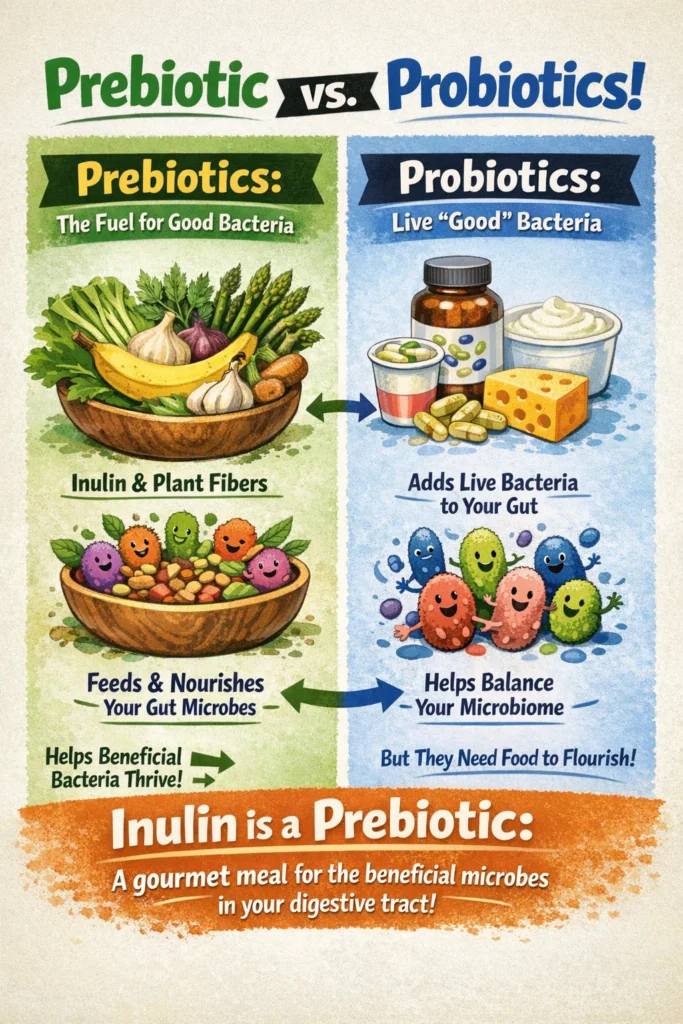
You probably already take probiotics (live “good” bacteria). But those bacteria need to eat to survive and colonize your gut. Inulin is a prebiotic, a specialized plant fiber that acts as a gourmet meal for the beneficial microbes in your digestive tract.
Blood Sugar and the Glycemic Index
One of the most significant Jerusalem artichoke benefits is its impact on your blood sugar. While white potatoes can send your glucose levels on a roller coaster, inulin is a non-digestible carbohydrate.
Scientific Insight: Inulin has a glycemic index (GI) of 0. This means it provides the satisfaction of a starchy root vegetable without the insulin spike, making it a “diabetic’s dream” potato substitute.
Jerusalem Artichoke vs. The Traditional Potato
When you compare these two side-by-side, the nutritional winner for gut health is clear:
| Feature | Jerusalem Artichoke (100g) | White Potato (100g) |
| Primary Carbohydrate | Inulin (Prebiotic Fiber) | Starch (Glucose) |
| Glycemic Index | 0 to 15 (Very Low) | 80 to 90 (High) |
| Calories | ~73 kcal | ~77 kcal |
| Iron Content | 3.4 mg (High) | 0.8 mg (Low) |
| Potassium | 429 mg | 421 mg |
3. Top Health Benefits of the Jerusalem Artichoke
The benefits of this superfood extend far beyond just “feeding your gut.” When you improve your microbiome, you trigger a chain reaction of health improvements across your entire body.
A. Fortifying Your Immune System
Did you know that approximately 70% of your immune system resides in your gut? By consuming the inulin found in Jerusalem artichokes, you encourage the growth of Bifidobacteria. Recent studies have shown that a robust population of these bacteria helps your body identify and neutralize pathogens more effectively.
B. Mineral Richness: More Than a Banana
You’ve likely been told to eat bananas for potassium, but the Jerusalem artichoke is a secret contender.
- Potassium: Essential for heart health and regulating blood pressure.
- Iron: A 100g serving provides nearly 20% of your daily recommended intake, which is vital for oxygen transport in your blood and preventing fatigue.
C. Weight Management and Satiety
Because inulin is a soluble fiber, it absorbs water and slows down the digestion process. This helps you feel fuller for longer. If you struggle with mid-morning cravings, adding a small portion of roasted sunchokes to your dinner the night before can actually help stabilize your appetite the next day.
4. The “Windy” Disclaimer: Managing Potential Side Effects
We have to be honest: the Jerusalem artichoke has earned the nickname “the fartichoke” for a reason. Because inulin is fermented by your gut bacteria, it can produce gas, especially if your gut isn’t used to it.
The Learning Curve for Your Microbiome
If you haven’t eaten high-prebiotic foods recently, your bacteria will go into a “feeding frenzy.” This can lead to:
- Bloating
- Abdominal gas
- Mild cramping
How to Mitigate Side Effects
Don’t let this scare you away! You can easily avoid these issues by following these three rules:
- Start Small: Limit your first few servings to about 2 ounces (roughly the size of an egg).
- The “Acid” Trick: Science shows that boiling Jerusalem artichokes in an acidic liquid like lemon juice or vinegar for 15 minutes helps “pre-digest” some of the inulin, significantly reducing gas.
- Consistency: Your gut bacteria adapt quickly. After 2 or 3 small servings over a week, most people find the gas disappears as their microbiome becomes more efficient.
Note: If you have SIBO (Small Intestinal Bacterial Overgrowth) or are on a strict Low-FODMAP diet, you should consult your doctor before trying them, as inulin is a high-FODMAP carbohydrate.
5. From Soil to Table: How to Select and Store
To get the most Jerusalem artichoke benefits, you need to start with the best produce.
Selecting Your Tubers
When you are at the store, look for:
- Firmness: They should feel as solid as a fresh ginger root. Avoid any that feel “bendy” or soft.
- Skin Quality: Look for smooth, taut skin. A few knobs are normal, but excessive sprouts can mean the tuber is past its prime.
Storage Secrets
Unlike potatoes, Jerusalem artichokes have very thin skins and lose moisture quickly.
- The Fridge is King: Store them in a paper bag (not plastic!) in the crisper drawer. Plastic traps moisture and causes them to go slimy within days.
- Shelf Life: They generally stay fresh for 1 to 2 weeks. If they start to feel soft, they are losing their nutritional potency.
6. Culinary Inspiration: How to Enjoy Your Superfood
You don’t have to be a Michelin-starred chef to enjoy these. Think of them as the more interesting cousin of the potato.
The “Crispy Roast” Method
Toss sliced Jerusalem artichoke with olive oil, salt, and a sprig of rosemary. Roast at 400°F (200°C) for 25 minutes. The edges will caramelize into a sweet, nutty treat that rivals any French fry.
The “Nutty Mash”
Boil them (remember the lemon juice trick!) until tender, then mash them with a little grass-fed butter or a splash of almond milk. It’s a lower-carb, higher-fiber alternative to traditional mashed potatoes.
Conclusion
The Jerusalem artichoke is more than a culinary curiosity; it is a functional powerhouse that bridges the gap between delicious food and medicinal nutrition. By swapping out heavy starches for this prebiotic-rich tuber, you aren’t just changing a recipe, you’re investing in your long-term vitality.
Your gut is the engine of your health. Feed it the high-quality fuel it deserves. Start small, cook creatively, and listen to how much better your body feels when it’s truly nourished.
FAQ
What is a Jerusalem artichoke?
A Jerusalem artichoke is the edible tuber of a specific North American sunflower (Helianthus tuberosus). It is a root vegetable celebrated for its high inulin content, which provides massive benefits for your gut health and blood sugar regulation.
How to prepare Jerusalem artichokes?
Preparing them is a simple three-step process:
- Scrub: Because of their knobby shape, they trap soil. Use a vegetable brush under cold water.
- To Peel or Not to Peel: The skin is completely edible and contains extra fiber. However, if you want a refined puree, you can peel them with a standard vegetable peeler.
- Acid Soak: Once cut, they oxidize (turn brown) quickly. Drop them into a bowl of “acidulated water” (water with a squeeze of lemon or a tablespoon of vinegar) to keep them white.
How to cook Jerusalem artichokes?
You have several delicious options:
- Roasting: Best for a nutty, sweet flavor.
- Boiling: Best for purees or soups. Add a splash of lemon juice to the water to reduce the “gassy” effects of the inulin.
- Raw: Slice them paper-thin on a mandoline and add them to salads for a texture similar to jicama or water chestnuts.
Where can I buy Jerusalem artichoke?
In 2026, you can find Jerusalem artichokes in several places:
- Local Farmer’s Markets: Usually available from late autumn through early spring.
- Health Food Stores: Chains like Whole Foods or local organic co-ops usually stock them in the refrigerated produce section.
- Mainstream Supermarkets: Look in the “exotic” or “specialty” vegetable section near the ginger and fresh turmeric.
Where can I buy Jerusalem artichoke online?
If you can’t find them locally, many organic farm-to-table delivery services (like Riverford or Farmy) and specialty produce websites offer seasonal shipping. You can also find high-quality Jerusalem artichoke flour or powders on major retail platforms if you prefer a supplement form.
Take the First Step Toward Better Gut Health
Ready to transform your digestion? Pick up a few Jerusalem artichoke tubers this week and try the “Acid Hydrolysis” boiling method mentioned above!