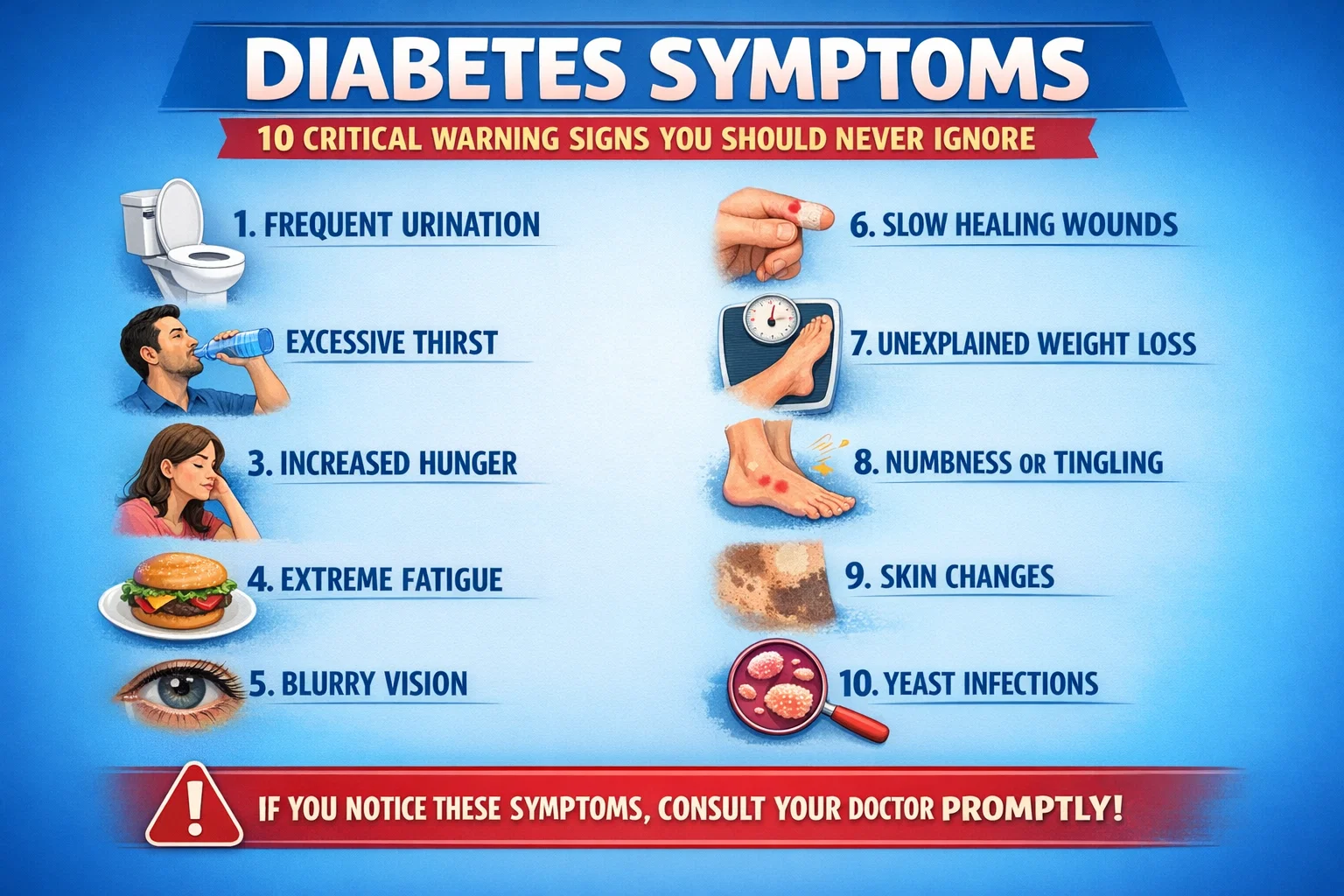
Diabetes Symptoms: 10 Critical Warning Signs You Should Never Ignore
It starts subtly—a little more thirst than usual, a persistent tiredness you shrug off as “just a busy week,” or a small cut on your foot that refuses to disappear. For many, these aren’t just inconveniences; they are the quiet whispers of a body struggling to process its primary fuel.
Living with undiagnosed diabetes can feel like walking through a fog. You might feel “off” but can’t quite put your finger on why. It’s an isolating experience to feel your health slipping while the world carries on around you. You might find yourself snapping at loved ones for no reason or feeling an inexplicable sense of dread when you realize you’ve finished your third liter of water before noon.
But you aren’t alone. Understanding these diabetes symptoms is the first step toward reclaiming your energy and protecting your future. This guide is designed to help you listen to what your body is trying to tell you before those whispers become a roar. By the time you finish reading, you’ll have a clear roadmap of what to look for and when it’s time to call your doctor.
Understanding the Landscape: What Is Diabetes?
Before diving into the warning signs, it is essential to understand what is happening inside your body. Diabetes is a chronic health condition that affects how your body turns food into energy. Most of the food you eat is broken down into sugar (glucose) and released into your bloodstream. When your blood sugar goes up, it signals your pancreas to release insulin. Insulin acts like a key to let the blood sugar into your body’s cells for use as energy.
With diabetes, your body either doesn’t make enough insulin or can’t use it as well as it should. When there isn’t enough insulin or cells stop responding to insulin, too much blood sugar stays in your bloodstream. Over time, that can cause serious health problems, such as heart disease, vision loss, and kidney disease.
There are three main types:
- Type 1: An autoimmune reaction where the body attacks itself.
- Type 2: The body doesn’t use insulin well and can’t keep blood sugar at normal levels.
- Gestational: Develops in pregnant women who have never had diabetes.
Regardless of the type, the diabetes symptoms often overlap, though the speed at which they appear can vary wildly.
1. Excessive Thirst and Frequent Urination (The Classic Duo)
The most common diabetes symptoms involve a relentless cycle of thirst and trips to the bathroom. You might notice you’re waking up three or four times a night to use the restroom, a condition known as nocturia.
The Mechanism of Action
When blood sugar levels are high, your kidneys are forced to work overtime to filter and absorb the excess glucose. However, there is a limit to how much sugar your kidneys can handle. When they hit that “spillover” point, the excess glucose is excreted into your urine. Because glucose is a solute, it “pulls” water along with it through osmosis. This effectively dehydrates your tissues to fill your bladder.
The Data and Signs
- Urination Frequency: While the average person urinates 4–7 times in 24 hours, those with undiagnosed diabetes may go significantly more often.
- Polydipsia: This is the medical term for extreme thirst. It isn’t the kind of thirst you feel after a salty meal; it’s a deep, cellular craving for hydration.
The Comparison
Think of it like a plumbing system under too much pressure. To prevent a burst pipe (too much sugar in the blood), the system opens a relief valve (your kidneys). Unlike thirst from exercise, “diabetes thirst” often feels unquenchable, regardless of how much water you drink. If you find yourself drinking an entire glass of water and feeling thirsty five minutes later, your body is sounding an alarm.
2. Unexplained Weight Loss Despite Increased Hunger
It seems like a strange contradiction: you’re eating more than ever—a condition called polyphagia—yet the scale is dropping. You might even feel proud of the weight loss at first, but if it’s happening without changes to your diet or exercise routine, it is a major red flag.
Why Your Body “Starves” in a Sea of Plenty
Without enough insulin to move glucose into your cells, your muscles and organs are essentially starving. Your body doesn’t realize there is plenty of sugar in the blood; it only knows it isn’t getting any energy. To compensate, it begins burning its own fat and muscle stores for energy.
Conditions and Exceptions
- Type 1 Diabetes: Weight loss is often rapid and severe. You might lose 10 to 20 pounds in just a few weeks.
- Type 2 Diabetes: The weight loss is usually more gradual and may be masked by the fact that many people with Type 2 are already carrying extra weight.
- The Hunger Factor: Because your cells aren’t getting energy, they send constant “hunger signals” to the brain, leading to a voracious appetite that results in no weight gain.
3. Chronic Fatigue and Low Energy
We all get tired. However, “diabetes fatigue” is a different animal altogether. It’s a heavy, lead-like exhaustion that doesn’t go away with a nap or a long weekend.
The Biological “Brownout”
Think of your body like a city. Glucose is the electricity. In a person with diabetes, the power plants are producing electricity, but the power lines (insulin) are broken. The result? A “brownout” where your vital systems have just enough power to function, but not enough to thrive.
The Impact on Your Life
- Mental Fog: You might find it hard to concentrate at work or remember simple tasks.
- Post-Meal Slump: While many feel a bit tired after a big meal, people with high blood sugar often feel completely drained after eating as their system struggles to process the glucose spike.
4. Blurred Vision and Eye Strain
High blood sugar doesn’t just affect your internal organs; it physically changes the shape of your eyes. This is one of the most frightening diabetes symptoms because it directly impacts your independence.
The Science of Swelling
High glucose levels in the bloodstream cause a shift in fluids. This fluid can enter the lens of the eye, causing it to swell and change shape. When the lens changes shape, your eye loses its ability to focus correctly, leading to blurred vision.
Limitations and Warnings
- Temporary vs. Permanent: In many cases, this blurring is temporary and resolves once blood sugar is brought under control.
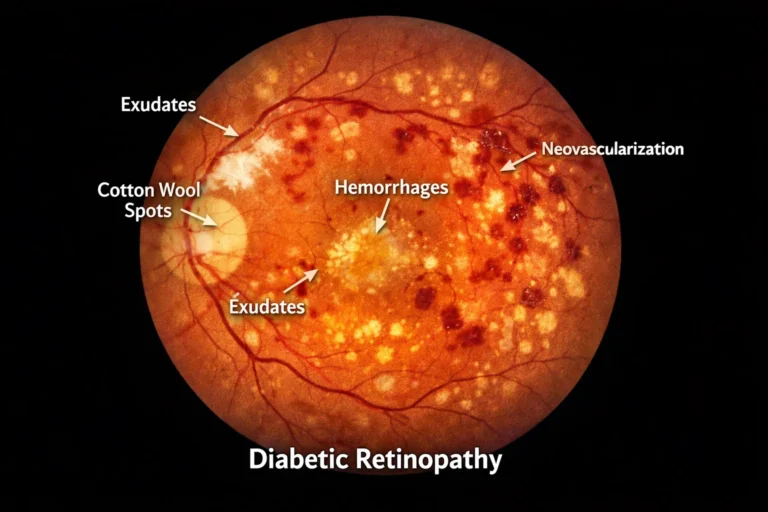
- The Danger: If left untreated for years, chronic high blood sugar can damage the tiny blood vessels in the retina, leading to diabetic retinopathy. This can cause permanent vision loss or blindness.
- The “New Glasses” Trap: Many people assume their vision is just getting worse with age and buy new glasses, only to find the prescription doesn’t help or their vision changes again a month later.
5. Slow-Healing Sores and Frequent Infections
Have you noticed a bruise on your shin or a papercut on your finger that’s still there two weeks later? This is a hallmark sign that your internal repair systems are compromised.
The Double-Whammy Effect
- Poor Circulation: High sugar levels make the blood “thicker” and damage the walls of the arteries, making it harder for nutrient-rich, oxygenated blood to reach wounds.
- Immune Suppression: High glucose levels interfere with the white blood cells’ ability to fight off bacteria and repair tissue.
Common Infection Sites
- Yeast Infections: Yeast (Candida) feeds on sugar. When sugar levels are high in vaginal secretions or sweat, yeast thrives. Both men and women can experience these infections in the groin, under the breasts, or between fingers.
- UTIs: High sugar in the urine makes the bladder a breeding ground for bacteria.
- Skin Infections: Recurrent boils or fungal rashes are common indicators.
6. Tingling, Numbness, or “Pins and Needles”
This symptom is medically known as diabetic neuropathy. It usually starts in the feet and moves upward, a phenomenon doctors call the “stocking-glove” pattern.
Nerve Damage Explained
Excess sugar in the blood acts like an acid on the delicate nerves. Over time, the coating of the nerves (myelin) is worn away. Furthermore, the tiny blood vessels (capillaries) that feed the nerves become clogged or damaged, starving the nerves of oxygen.
What It Feels Like
- The Early Stage: Tingling, itching, or a “crawling” sensation on the skin.
- The Middle Stage: Burning pain, often worse at night.
- The Late Stage: Complete numbness. This is the most dangerous stage, as you might step on a nail or develop a blister and not feel it, leading to severe infection and potential amputation.
7. Darkened Skin Patches (Acanthosis Nigricans)
Sometimes, the most obvious diabetes symptoms are written right on your skin. Acanthosis Nigricans is a skin condition characterized by areas of dark, velvety discoloration in body folds and creases.
Where to Look
Check the back of your neck, your armpits, your groin, and the insides of your elbows. The skin may look “dirty,” but it won’t wash off. It may also feel thicker than the surrounding skin.
The Insulin Connection
This skin change is a physical manifestation of insulin resistance. It occurs when high levels of insulin in the blood cause skin cells to reproduce rapidly. These new cells have more melanin, resulting in a darker patch. This is a massive warning sign for prediabetes.
8. Fruity-Smelling Breath
If your breath smells like fruit, nail polish remover, or “sweet” chemicals, you need to pay attention immediately.
The Danger of Ketones
When your body can’t use sugar for energy, it starts burning fat at an alarmingly high rate. This process produces a byproduct called ketones. Ketones are acidic, and as they build up in the blood, they are eventually exhaled through the lungs, creating that distinct fruity odor.
Critical Exception: DKA
Fruity breath is a primary sign of Diabetic Ketoacidosis (DKA). This is a medical emergency primarily associated with Type 1 diabetes but can occur in Type 2. If you have fruity breath combined with:
- Nausea or vomiting
- Abdominal pain
- Confusion or gasping for airCall emergency services immediately.
9. Dry Mouth and Itchy Skin
Because your body is shunting all available fluid to the kidneys to flush out sugar (as discussed in Section 1), the rest of your body is left parched.
Xerostomia (Dry Mouth)
A chronically dry mouth is more than just uncomfortable. Saliva is necessary to wash away bacteria and neutralize acids in the mouth. Without it, people with diabetes are at a much higher risk for gum disease and tooth loss.
The Itch You Can’t Scratch
When your skin loses its moisture, it loses its elasticity and barrier function. You might find yourself scratching your legs or arms until they bleed. This itchiness is often localized to the lower legs and is worsened by the poor circulation mentioned earlier.
10. Irritability and Sudden Mood Changes
Your brain is the most glucose-sensitive organ in your body. It requires a steady, stable supply of sugar to function. When your blood sugar is a rollercoaster of spikes and crashes, your mood will follow suit.
The Emotional Rollercoaster
- Hyperglycemia (High Sugar): Often leads to feelings of anger, irritability, and “brain fog.”
- Hypoglycemia (Low Sugar): Can cause sudden anxiety, shaking, and even bouts of crying or confusion.
The Social Impact
Many people find that their relationships suffer before they get a diagnosis. You might find yourself snapping at your spouse or losing your patience with your children for minor infractions. If you feel like your personality has shifted toward the negative, it might not be stress—it might be your biochemistry.
Comparison: Type 1 vs. Type 2 Symptoms
While the core diabetes symptoms are similar, the “delivery” of these signs varies significantly between the two main types.
| Feature | Type 1 Diabetes | Type 2 Diabetes |
| Speed of Onset | Sudden (Days to weeks) | Very slow (Months to years) |
| Weight Loss | Rapid and noticeable | Subtle or non-existent |
| Typical Age | Children and young adults | Adults 45+, but rising in children |
| Acanthosis Nigricans | Rare | Very common (Insulin resistance) |
| Initial Detection | Usually an ER visit (DKA) | Usually a routine blood test |
Limitations of Information and When to See a Doctor
It is vital to remember that while this list is comprehensive, it is not a diagnostic tool.
- Symptom Overlap: Many of these symptoms, such as fatigue or dry mouth, can be caused by other conditions like thyroid issues, sleep apnea, or even certain medications.
- The “Silent” Factor: Especially with Type 2 diabetes, you can have the disease for years with zero symptoms. This is why regular screenings are crucial if you are overweight, sedentary, or have a family history of the disease.
- Individual Variation: You may experience all ten of these signs, or you may only experience one. Your body’s response to high blood sugar is as unique as your fingerprint.
Conclusion
Diabetes is a formidable opponent, but it is one that can be managed, and in many cases of Type 2, even put into remission with early intervention. The diabetes symptoms we’ve discussed—the thirst, the fatigue, the blurry vision—are not meant to scare you. They are meant to empower you. They are your body’s way of asking for a change.
If you read through this list and found yourself nodding along to more than two or three signs, don’t wait. A simple blood test is all it takes to find out where you stand. Knowledge is the foundation of health, and by paying attention to these warning signs today, you are choosing a healthier, more vibrant tomorrow.
FAQ: Frequently Asked Questions about Diabetes Symptoms
1. I have excessive thirst, but I’m not overweight. Can I still have diabetes?
Absolutely. While obesity is a risk factor for Type 2, Type 1 diabetes is an autoimmune condition unrelated to weight. Furthermore, “Skinny Type 2” (LADA or other variations) exists. If you are thirsty all the time, see a doctor regardless of your weight.
2. Is there a “mild” version of diabetes symptoms?
Yes, this is often called Prediabetes. Your blood sugar is higher than normal but not yet high enough to be Type 2. Many people in the prediabetes stage notice mild fatigue or slight skin darkening but ignore them because they aren’t “painful.”
3. Will these symptoms go away if I change my diet?
If the symptoms are caused by high blood sugar, they will generally improve once your levels stabilize. However, things like nerve damage (neuropathy) can be permanent if left too long. The sooner you address the root cause, the better your chances of a full symptomatic recovery.
4. Can stress cause diabetes symptoms?
Stress can cause your blood sugar to rise (the “fight or flight” response), which can temporarily mimic some symptoms. However, chronic stress is also a contributor to the development of Type 2 diabetes. If the symptoms persist when you are calm, it is likely not just stress.